There are some mornings when time seems to fold in on itself. This morning, driving into work, I found myself looking out across fields washed in golden hues, the stubble and grasses scorched by the hot summer of 2026. The landscape had that late-summer look: beautiful, brittle, abundant and exhausted all at once. A bookmark to the bounty of autumn. It was impossible not to think of another legendary summer, 50 years before, the summer of 1976, which I remember vividly from childhood.
I remember the heat, the talk of drought, the cracked earth, the long light, the particular feeling that childhood summers could go on forever. Of course, they do not. Children grow. Parents age. Lives gather complexity. Work, relationships, loss, love, responsibility and reinvention arrive one after another, often without waiting to be invited. And then, one day, you are driving through a summer landscape half a century later and realise that the child who stood at the beginning of one hot summer is now moving steadily through the middle seasons of life.
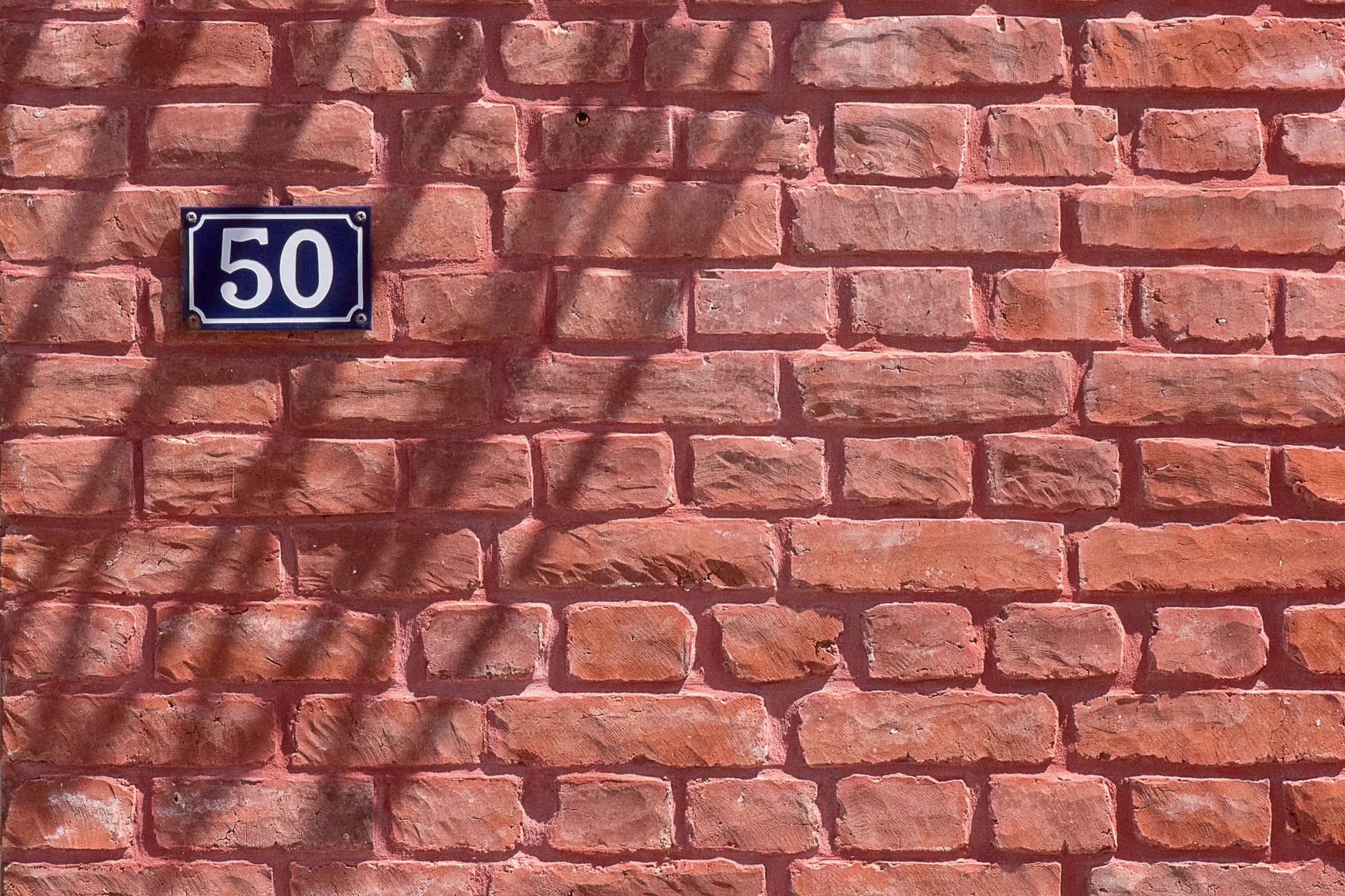
That is the question I return to in my book Find Joy in the Middle: what exactly do we mean by middle age? Is 50 the magic number? Is it the moment when we officially cross some invisible border between youth and age, ambition and acceptance, becoming and being? I am not sure life works quite so neatly. But I do think 50 matters. It has a symbolism, a heft, a kind of cultural gravity. It is far enough from the beginning to have perspective, and far enough from the end, we hope, to have possibility.
In the book, I posit that middle age is not a narrow corridor squeezed between youthful adulthood and old age. Instead, I suggest it is a generous, expansive period, running from around 50 to 75. That may sound surprising at first, but it feels increasingly true to me. We are living longer, working differently, parenting and caring across wider spans, changing direction later, finding new purpose after old milestones have passed. The middle is not a pause before decline. It can be a season in its own right.
Perhaps that is why the seasons offer such a useful metaphor. Childhood is spring, not because it is always innocent or easy, but because it carries the force of beginnings. Everything is ahead. The world is green with possibility. The summer of early adulthood brings heat, growth, risk, fullness and sometimes drought too. Then comes the middle season, the long turning into autumn, when the light changes. The colours deepen. The harvest matters. We begin to understand what has taken root and what has not. We notice what we have grown, what we have neglected, what we might yet plant.
There is a certain poignancy in standing, or driving, between those two hot summers: 1976 and 2026. One belongs to memory, to the child I was. The other belongs to now, to the adult I have become. Fifty years sit between them, not simply as a measurement of age, but as evidence of a life lived. The fields this morning were not green and new. They were golden, weathered, marked by heat. Yet they were also beautiful. Perhaps that is the point.
Middle age asks us to stop measuring ourselves only by beginnings. It asks us to value ripeness, resilience and depth. It asks us to look honestly at the scorching years as well as the golden ones, and to see that both have shaped us. It is not the end of summer, nor yet winter. It is the time when the light becomes more interesting.
So, is 50 the magic number? Maybe not magic in the fairy-tale sense. No bell rings. No gate opens. No certificate arrives declaring us middle aged. We don’t receive a letter from the Monarch congratulating us on our middling achievement. But 50 may be a threshold of attention. It may be the age when we begin to notice the view differently, to connect the child we were with the person we are still becoming. It may be the point at which we realise the middle is not something to endure, deny or rush through. It is something to inhabit.
And if we can inhabit it fully, perhaps we can find what I am really searching for in Find Joy in the Middle: not a desperate attempt to stay young, nor a premature surrender to getting old, but a richer, wiser, more generous way of living in the season we are actually in. The fields this morning reminded me that golden does not mean over. Sometimes it means ready.