Blog

Ready, steady, wait!

For all of us, there is a key question.  Should we opt for pleasure now or delay it?  I think these concepts have been under attack from the ‘now’ culture, the ‘get famous quick’ society, and recent social restrictions.  The notion of delaying gratification (DG) is one that some use to set us apart.  Advocates promote resisting temptation of an immediate reward in preference for having it later. They link it to positive outcomes, like academic success, physical and psychological health, and social skills.  You can find tools and guides to develop your delayed gratification online.  Sociologists have studied it and associated it with lower-status class position. This invites higher class members of society to attribute status to their skills in it, and judge others who don’t follow such principles.  However, most things related to class are increasingly fluid and blurred they are becoming a less reliable measure.  

Some say ‘why wait?’.  We are informed by all sorts of adages, things like ‘you only live once’.  And the trappings of modern life certainly facilitate a fast-paced lifestyle.  Things like the car, the jet plane, the television, the internet and multiple and instant access TV streaming channels, and food delivery apps have all been step-changes in upping the tempo of gratification.  You want something, you can have it now.  We don’t have to wait for anything anymore.  The technological facilitation of instant gratification has waged war on any sense of delayed gratification.  It is a high-tech industrial class and lifestyle revolution. 

No longer do we schedule a 7.30pm sofa slot to watch our favourite soap.  A few clicks and it is playing live whenever and wherever we want.  At breakfast time, on the bus, you choose.  You don’t have to wait until next week to watch the next episode.  Watch it now.  In fact, download and gorge on the whole series if you wish.  You no longer have to go to a restaurant for food, it can come to you via bike courier within 20 minutes.  Our tolerance for delay, our ability to be patient, to put in effort to gain rewards are all qualities being systematically eroded.  And with discouragements and requirements put in place not to socialise beyond set guidance then some of these conveniences are becoming preferences. 

This all goes a long way to diminishing any sense of purposefully and diligently working hard and with purpose to an identified goal.  Want to lose weight, pop a magic pill, work with a PT, drink weight-loss coffee, have a gastric band even.  The trouble is all these things require significant effort. 

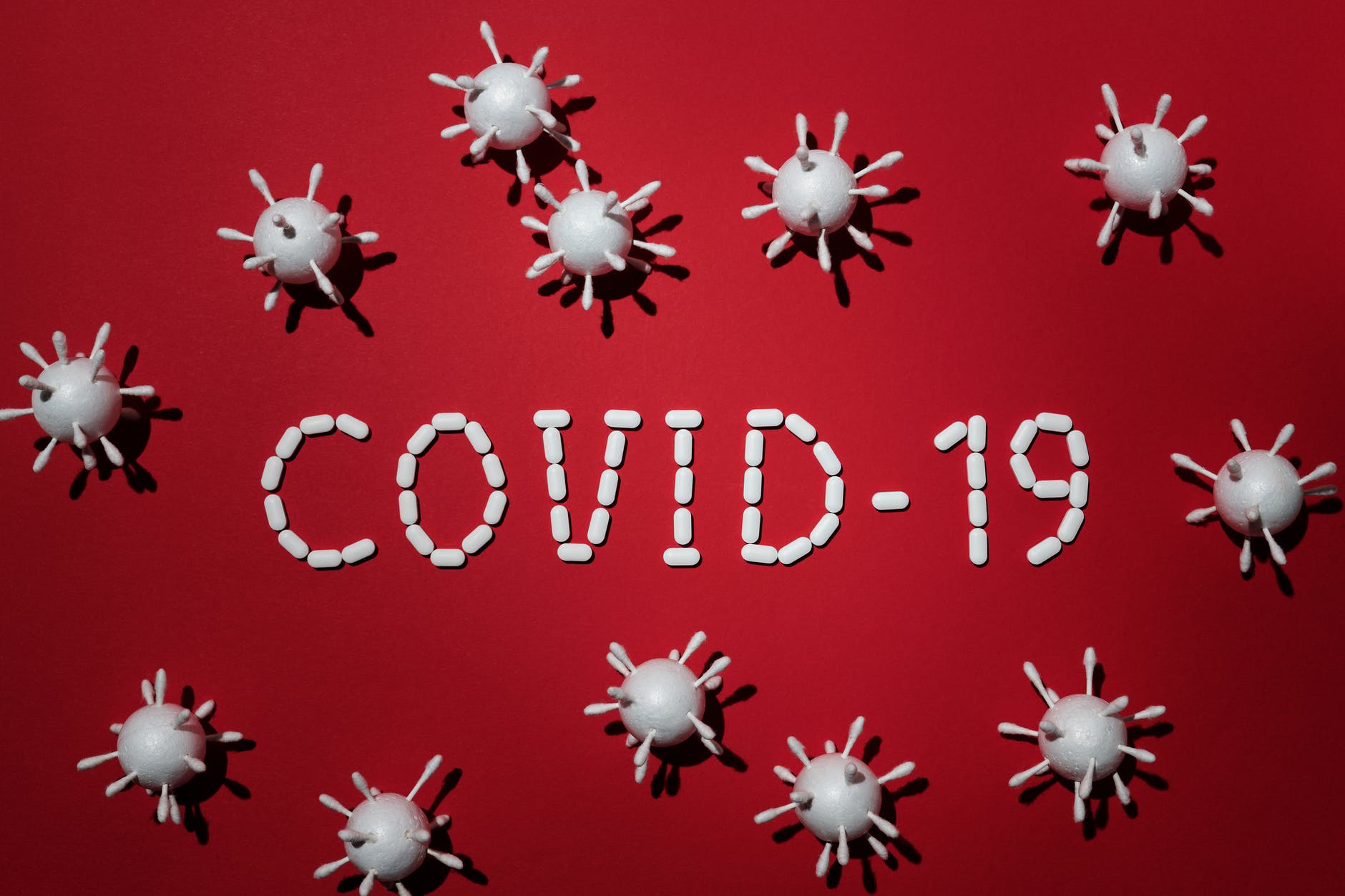
For some time, I have really been pondering if subconsciously society had been bingeing through over our consumerism in stuff and food because it knew on one level that harder times were ahead.  Or were we indulging to block out the effects and pain of austerity?  Little did I realise the forces of such limits would manifest so soon and so profoundly with the COVID-19 pandemic of 2020.  The question is, are these the harder times that were coming, or will things get even worse?

The id, as Freud would put it, our basic selves, is driven by the ‘pleasure principle’ that seeks out pleasure so we avoid the pain.  The pain people are trying to avoid, I think, is this cumulative sense of our demise, personally, as a community, a culture, a nation, a global species. 

We are given constant messages about the challenges experienced in the natural world; habit destruction, species extinction, and human population explosion and migration. 

We have come to understand our young people are so anxious that their mental health difficulties and anxiety levels are through the roof.  Those that have gone through university have left saddled with huge and artificial debt.  The concept of money damaged to such an extent it seems unreal, false and contrived.  There is a disconnect between what is earned and what is needed to live or to buy somewhere to live.

So why wouldn’t everyone reach out for pleasure?  Right now.  Pleasure is an escape from reality, it is a diversion, and escape.  It’s so dreamy.  And young people are so tech savvy, and they are the key market for tech companies.  So, the cycle is unbreakable, it is titanium strength.  Its resultant whirlpool of activity has a grip on our future generation.

It doesn’t really help any sense of long-term planning for one’s middle or advanced age.  Its quite childlike.  It seems to me more and more generations are held in a pre-adult state, a permanent teenager world, where life doesn’t start until… 50?, 60? later?  We are all telling ourselves we are young.  When we are young, we only operate through the pleasure principle and expect immediate fulfilment.  Then it’s all about basic needs, milk, food and comfort.  Later it is still about basic needs, it still includes food and drink, with the addition of sex and procreation.  But as time marches on, we learn that we must often wait for gratification.  And that hurts.  Especially if one gets to middle age and one still feels unsatisfied on whatever level, we haven’t resolved our experiences in our early years, or we have yet to embrace adulthood and our age and stage of life. 

The trouble with patience at this key life moment is there is a super sense of one’s time running out.  Of it being a more finite entity.  And it hurts if we have yet to learn that somethings, goals or desires may never be fulfilled.  This can fuel questionable behaviour and purchasing choices – the sports car and the leather jacket being classic examples.  People in what can be called the ‘middle age’ start devoting more time to pondering key questions about pleasure and pain, career achievements, and the purpose and extent of life. 

How long can we and must we wait, and for what?  Does anyone have a quick answer please?
The dread of the Sunday night before the start of school.

This week schools have started going back.  After a six-month break for some, the return to school must feel remarkably daunting.  Especially in a COVID-19 context with all sorts of concerns and anxieties about health and safety, risk and the suggestion of opportunities lost and the need to catch up on learning.  

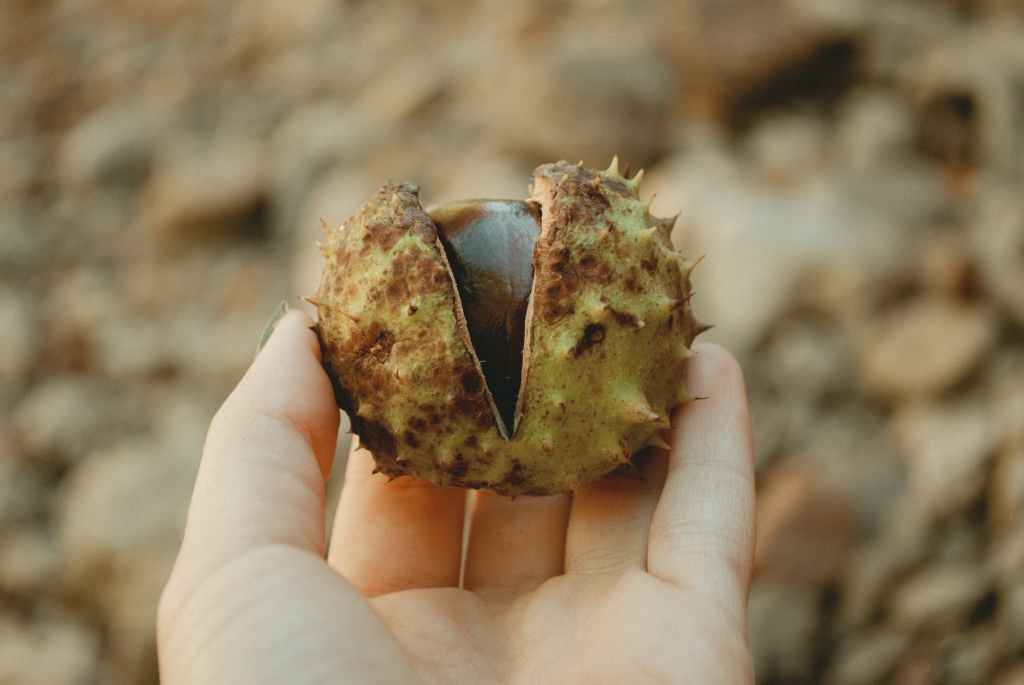
The beginning of every September is a time when I remember and reflect upon my own school days. They certainly were not the ‘best days of my life’ as the legend promises.  Instead, they were times of dread.  That Sunday night – before the first day of term – was one of the worst.  In a moment, the six-week holidays were gone.  I had looked forward to the summer for so long, but now the obvious signs of its end were there – conkers swelling, nights drawing in and becoming colder, and a new school uniform to grow into (a rarely did achieve my mother’s over ambitious growth estimates!).  my hands were not usually seen by others until at least March the following year. 

Last Sunday night was that day for many children, for the rest it is most probably this Sunday night.  My thoughts go out to all those children having that experience, they will be immersed in their own thoughts and feelings.  Some will be looking forward to it, eager to reconnect with the school routine and their friends.  Others, like me, will not relish the thought at all. 

Some forty years later, the beginning of the school year still reminds me of these feelings.  Last year it compelled me to write some of my thoughts down and share them.  Promoted in part by DfE releasing their updated guidance on keeping children safe in education: https://www.gov.uk/government/publications/keeping-children-safe-in-education–2 This went part of the way to supporting schools and their workforces to do what is necessary to identify and address need.  This year, I return to the same theme and can only imagine how a six-month break and COVID-19 has affected this generation now and will later on. 

A six-week summer holiday can feel like a lifetime to a child, it did for me.  They were times of adventure, outside exploration, inside relaxing, lie-ins and sofa time, and choosing to spend time on hobbies and interests.  I recall long hot days and very rainy days, walking across fields, watching far too much television (Why Don’t You, Laurel and Hardy, and Tarzan or cowboy movies), drawing and painting, cycling anywhere and everywhere, and being extremely bored to boot.  

Like every weekend, and other holidays, and no matter how long they often felt, the long-summer break was a temporary escape.  They were times away from the torment of not fitting-in, living on the margins of what was going on in school, feeling invisible and unvalued, bullying at the hands of other children, and the omissive harm caused by teachers who were not present to meet my basic and higher needs.  This is why such guidance is so essential, and it should be used effectively to ensure our current and future children are protected from the visible and invisible factors that affect their learning experiences and their journeys into adulthood. 

This year there will be so much need, much of it visible and identifiable, most likely at least an equal amount hidden and unspoken.  And the added challenge will be the sheer amount of anxiety and emotional needs swirling around schools affecting all children, their families and the school workforce.  No one should prioritise anything else above these important and basic needs.  Actually, they are more than needs. they are rights.  And certainly no one (children, parents or teachers) should be distracted by any sense of needing to catch up on time lost.  If they do, it will be this time that is lost, not the time gone by through this spring and summer. 


Photo by Izabella Bedu0151 on Pexels.com

Watching me watching you! Peer observation

We are all used to the notion that managers observe and supervise their staff.  They tell them what to do, or even tell them off!  But an open approach that involves the whole team in peer-observing and positively feeding-back can be a powerful force for team development, individual continuous professional development, and safety.

That said, peer-observation can be a cause of professional anxiety – if not handled properly, especially when the comfort of established and entrenched structures are challenged in the workplace.  Personally, I have often initiated 360 degree appraisals to offer me valuable challenge and support to inform my continuous development.  This is when the people I supervise complete a formal process that offers me their observations on how I work and what I could work on.

In the workplace, we receive such information constantly from our users, customers, colleagues and supervisors, quality inspectors, auditors and others. Sometimes this is obvious and clear, at other times one has to have sufficient awareness to notice. In peer observation training, we look at the need for it, the process, developing observation and interpretation skills, and practice how to feedback to support improvement in future practice.

Peer observation is a recognised assessment process, in context it should look at the quality of interactions between workers and service users.  Its aim is to work towards the best outcomes and service standards, and should have the sharing of skills and knowledge at its core.  True learning whilst you work.

We all have so much to share, yet often we can feel held back by hierarchy, permissions or power struggles, and the different levels and lengths of each other’s experiences.   In teams that are dysfunctional this leads to serious scenarios, where junior or new staff feel unable to ‘blow the whistle’ on dangerous and concerning behaviours. We need open lines of communication.

On the positive side, peer observation supports team work, and should be part of the evaluation and continuous improvement process – therefore feeding into leadership and management, practice and good inspection outcomes.  It needs some time invested, yet with practice it can become an integral part of your day-to-day work.

Giving good feedback is key and is such an amazing skill to have in your toolbox.  It should be given at a convenient time to meet, allow the observee to reflect and describe their experiences, use reflections to structure the feedback, and state all the positives, as well as agreeing an action plan together for future actions.

Those businesses that have been on training, tell me they have seen benefits in identifying and developing new skills, personal development across their teams, renewed thirsts for training and gaining qualifications, a boosting of reflective practice skills, deeper team respect and dialogues about achieving best practice, and an increase in confidence brought about by receiving regular positive feedback.  We’ve also seen team members who thought they would never manage teams stepping up into new roles and using their new found confidence. I say, give it some serious thought!

anonymous person with binoculars looking through stacked books
Photo by Andrea Piacquadio on Pexels.com


Six months of COVID-19 – this is what Hempsall’s did.

Six months in and work has changed immeasurably.  We now do so much online and our connections with clients which were already strong have only got better.  We have pivoted, reviewed, become smaller and leaner, remained business-focused, and ensured our sustainability and scalability (as much as we can) – all of which followed our own advice to others.

I was in Vienna for the weekend of 13-15 March 2020.  It was touch and go whether I should have made the trip in the first place.  Media reports of an approaching pandemic were a melee of information and scaremongering, misinformation and denial.  By the Sunday it was clear public opinion and government policies were shifting.  There was a risk we wouldn’t be able to get safely home.  It was time to bring forward the flight and get back to home and work.

It was time for a plan – and then another one.

There was surprise and a palpable sense of relief on Monday afternoon when I arrived in the office.  We sat down and looked at what might happen.  Using our best guesses and a weather eye on the worst-case scenario.  We scoped out how live training events, field work and projects could be put on indefinite hold.  We agreed what we could or should be doing in the office for ourselves and what we ought to be saying to clients.  We got it about right.  Although by the next day things had moved on so rapidly, we had to review those plans and redraw our strategy.  We talked about what we needed to get through this.  Like many, we were contemplating a few weeks inconvenience.  This is the moment people starting to work from home if they could.  Office based support staff stayed on.  By the end of the week, their work had slowed to a glacial pace and we sent them home on paid leave.

Things started to stop.

We waited.  The world started to shut down.  Events, training and projects were postponed or cancelled with no clear plan about what might happen next.  The team kept in touch through tele-conference calls, at some point these turned into pretty unsuccessful video chats.  It was great to connect, but often there wasn’t much to update.

We kept on working from home, doing what we could, and taking leave or time owed back.  Of course, we were all staying indoors.  We were balancing doing what was needed at work with useful occupations at home.  Cooking, cleaning, getting around to those jobs not yet done, and box sets and reading of course.

Entering the online world.

One of our key projects (TALK Derby) moved to online and remote delivery.  The funder, DfE, sensibly set out the expected parameters of what should happen next so we had good assurances from that point.  And the package of Government support exceeded our expectations.  I cried with relief upon hearing about the Job Retention Scheme.  That made a huge difference to our survival.  With schools and early years and childcare providers closed or focused on essential services for keyworkers and vulnerable children, our income had stopped.

We decided to get onto the front foot by tentatively converting our training offer to online delivery.  We started to get to grips with the technology as well, taking advice from others a little further down the line than us.  We were determined to be ready, willing and able for when the enquiries started again.  And we were.

Making sense of guidance, briefings and tools. 

Then we started noticing the reams of guidance issued by government.  And we took the time to read and scrutinise it.  We know from experience that having this time whilst having to do the day job would be a real challenge for local authority early years teams.  This was especially the case as they were also at home, adjusting their delivery and supporting the sector.  So this is when we spent our own time producing analysis and summaries of guidance.  We were reading it, so others didn’t have to.  We were able to highlight the key points, the pertinent actions, the updates and revisions, and shared our views and opinions to guide actions.

We also developed briefings and ideas.  All for free and sent out to our mailing list.  I must say I have never written so much – briefings, programmes, analysis, opinion pieces, blogs (by the dozen), magazine articles and chapters of books.  We also developed models and tools, I worked with an illustrator to give them a bit of morale-boosting ‘oomph’.  We did things like ‘getting smaller to be sustainable and grow again’, ‘approaches to change’, ‘parental childcare preference use change’, ‘factors affecting providers’ and ‘childcare sufficiency assessment within a COVID-19 context’.

A community together.

All this investment promoted a massive response.  Our inboxes and phone lines were full of gratitude, requests, questions and I have to say quite a bit of reaching out just to unite on a personal, social and community level.  Not since I set up the business 20 years ago had I experienced such energy and connection.  The sense of community and comradeship was very strong.  It started to feel natural being online with colleagues and clients.  Suddenly a ‘phone call didn’t seem enough.

Our early adopter clients like Oldham started talking to us about what we could do to help their work through this.  We workshopped the context and challenges and revisited what traditional support might look like, and what must change this time around.  It was a creative process – I really loved working with Jenny together on this.  Hempsall’s also started bringing together clusters of 6-8 LAs together for online idea sharing and updates.  We were in this together and it showed.  As a result, we developed the ‘Finding Your Way Through’ programme of information sessions, business workshops and one-to-one support – all online for LAs to commission.  So far, we have delivered the programme in 12 LA areas and growing.

One member of the team returned from furlough – a great relief.  Because those training requests (things like safeguarding in particular) and commissions had started to come in, they went live and felt good.  In contrast, we launched a Business Future review.  A necessary but painful process that resulted in three redundancies and one reduced role. Our infrastructure had to respond to how everything had changed for now and most likely for the future to come.

Hempsall’s Coffee Breaks. 

In June and July 2020, we held 30 online LA early years meetings, clusters and networks.  As we all got used to them they were starting feeling like a regular feature of the week. Attendance was steadily growing and requests were coming in thick and fast.  In July we launched Hempsall’s Coffee Breaks.  These one-hour free sessions pick a topic (things like health and wellbeing, provider business support, business sustainability, sufficiency planning) and hear short input from Hempsall’s or LAs.  The remainder of the 60 minutes allows for discussion and questions.  Now, Coffee Breaks attract up to 120 attendees each time.  They have become an invaluable and unique opportunity to get together and focus on the day’s issues, with other people also tasked with the same challenges.

What next?  Networking, schools, sufficiency and more.

We have recently started a national programme called ‘In The Region’.  It is regional networking for LA early years teams – about two hours at a time.  The first two sessions are free and then we ask LAs to fund subsequent meetings.  They are rolling out now and we expect a full programme across the autumn.  Everyone has a chance to provide a brief local update and then the remaining time is given to discussion and questions.

We will also be launching our dedicated programme for schools getting to grips with their early years provision in this changing context.  We aim to help them understand changing needs, demands and preferences, and to develop models of delivery that meet the needs of schools, families and the local childcare market as well.

We are enjoying working with the Local Government Association (LGA) on special webinars and action learning sets all about sufficiency and sustainability.  With hopefully more collaborations to follow.  There has been a growing demand for our childcare sufficiency assessments, and we have been working hard on how they should be delivered with COVID-19 in mind.

Our Finding Your Way Through programme is under constant review and is adapting well to the new issues we find each week and is anticipating the challenges ahead throughout what will be a testing and long autumn term.  We relish the opportunity to do more of the out of school sector and anticipate there will be greater need for one-to-one business support for providers moving towards the spring term.  That seems like enough for now.

What does the idea of social value mean to you?

It is said “social value is the quantification of the relative importance that people place on the changes they experience in their lives” (socialvalue.org).

So how do we quantify this change?  Can we count it, and what measures are useful?  Is it something we can standardise or is it something that is an individualised concept?  Society has had thousands of years’ experience counting money.  Money spent, money brought in, money saved.  We are well practised at counting physical things, bricks, mortar, miles of roads.

Such approaches have limitations when applying to concepts less financial or concrete, like social impact.  Perhaps we need a new concept of maths, one that is capable of measuring social matters.  Maybe we don’t, and shouldn’t attempt to measure in numbers, instead using ways to artfully recognise and celebrate qualitatively.  It all represents quite a challenge to those more concerned with the finite, overt and obvious – the hard stuff.  You know those focused on evidence and science.  But there is a need to have a common understanding of social value.  It needs to be easily described, committed to and promoted widely – meeting the needs of artists and scientists.  If we don’t, then there is a huge risk of misapplication, misunderstanding and mistakes being made.  People may become disinterested and demotivated about such matters.

There is nothing worse than tokenistic actions that scratch the surface of intent and impact.  Social value and its implementation should not be a box-ticking exercise, it should be one that concerns itself with real change and impact.  Then people can appreciate and notice and value the soft stuff – things like behavioural change, feelings and thoughts.  And get excited about it for themselves and the people effected by their work or life choices.  There is a need to be patient too, something I learned through the UK Sure Start programme from 1998.  Too many people just did not get that social change can take a generation or more.

Social is a term used to describe many things for me.  It prompts me to think about other words like: people, communities, groupings, interpersonal interactions, mobility, education, care, health, behaviour, connections, relationships and friendships.

I wonder, what is your perspective?  What does the term social value mean to you?  What examples and experience can you identify that demonstrate a social value you have experienced yourself?

Examples of the social value we might experience are the people we meet and connect with.  Last night I met up with a friend I made when completing my last university course.  We have a great friendship – is this the social value of lifelong learning?  Perhaps it is, because the hard stuff was the study and the qualification.  The social value was the personal growth and the relationship I developed.  And our relationship has helped us put into practice our learning and helped our work.  Yet how do you measure that?  There isn’t a standard for a friend, or a model for how one uses new knowledge in the world.  Is there?

There are obvious and strong links to equality here, which is essential.  However, I worry social value can run the risk of getting muddled with various diversity initiatives. Inclusion is a good starting point, but the values of fairness and collaboration and power-equality are close behind.  These principles are more easily measured I think – the things that we can demonstrate in terms of the workforce profile and its development and opportunity, sharing of all resources – including but not exclusively money, and who makes the decisions.  We can evidence if a policy exists, the intent, but how do we evidence its application and impact?

As a psychotherapist I am all too aware of the complexities of quantifying, assessing and measuring anyone’s mental health and well-being.  It is far from a consistent system.  And who am I to judge anyway?  These are personal and mostly subjective human judgements even in a professional counselling relationship.  It is an imperfect art and science.

To not consider social value is to miss a corporate trick.  It has the possibility to make a much bigger difference through all the personal and professional actions we take.  By recognising, valuing and measuring our social value impact we can plan better, collaborate more richly, and consider the longer-term ripple effects of our decisions and the positive difference that can be made.  It is the added value that sets us apart from the crowd of competitors.  We can learn from it, investment out should see investment back in return, which increases the chances of what we do next having even better social value.

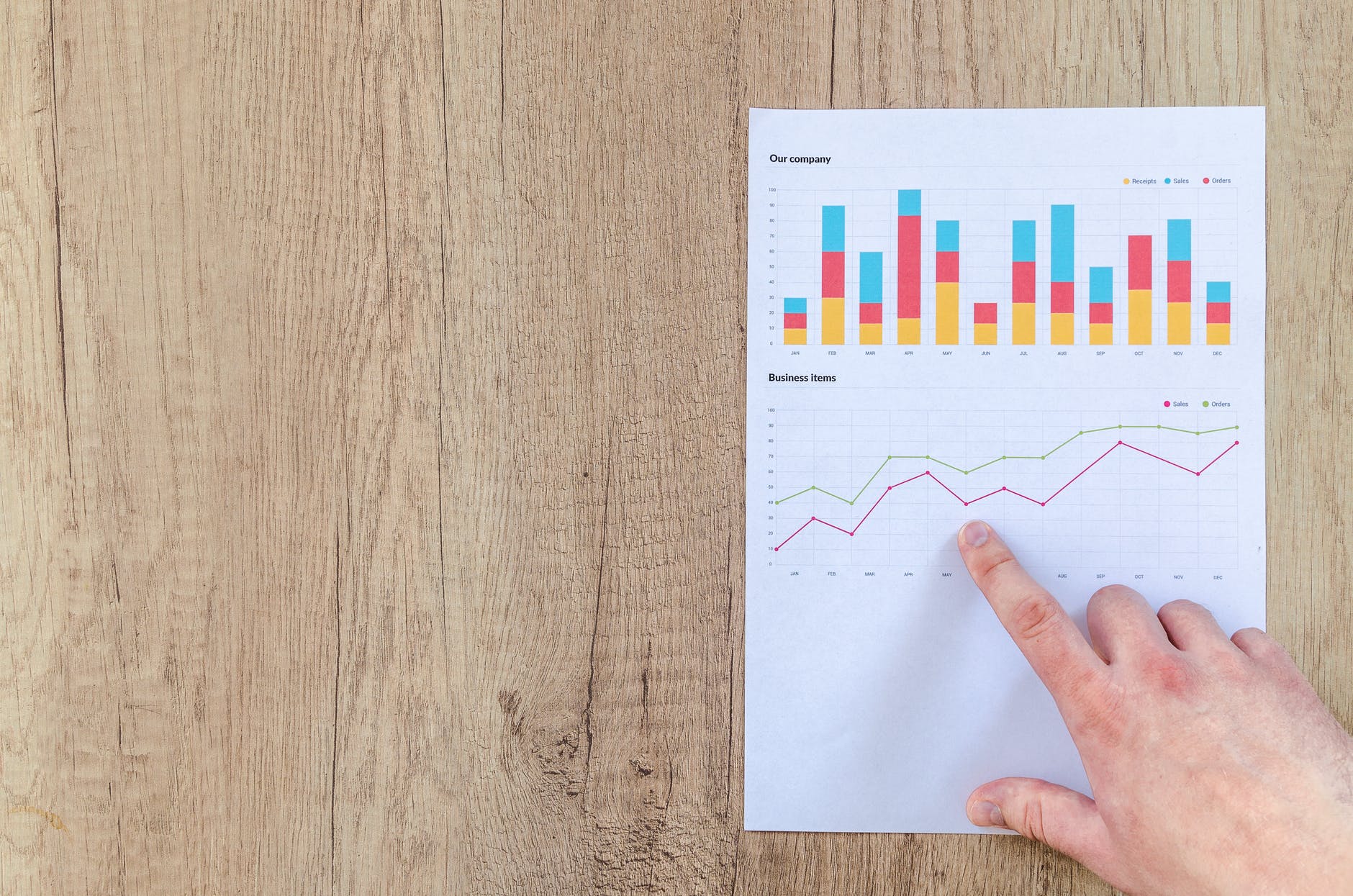
background board chart data
Photo by Lukas on Pexels.com